
Research
Broadly, my research focuses on utilizing ecological principles like species interactions, recruitment, and stress alleviation to optimize coastal restoration through a variety of experimental field techniques and computational analyses.
Deep Sea Coral Restoration
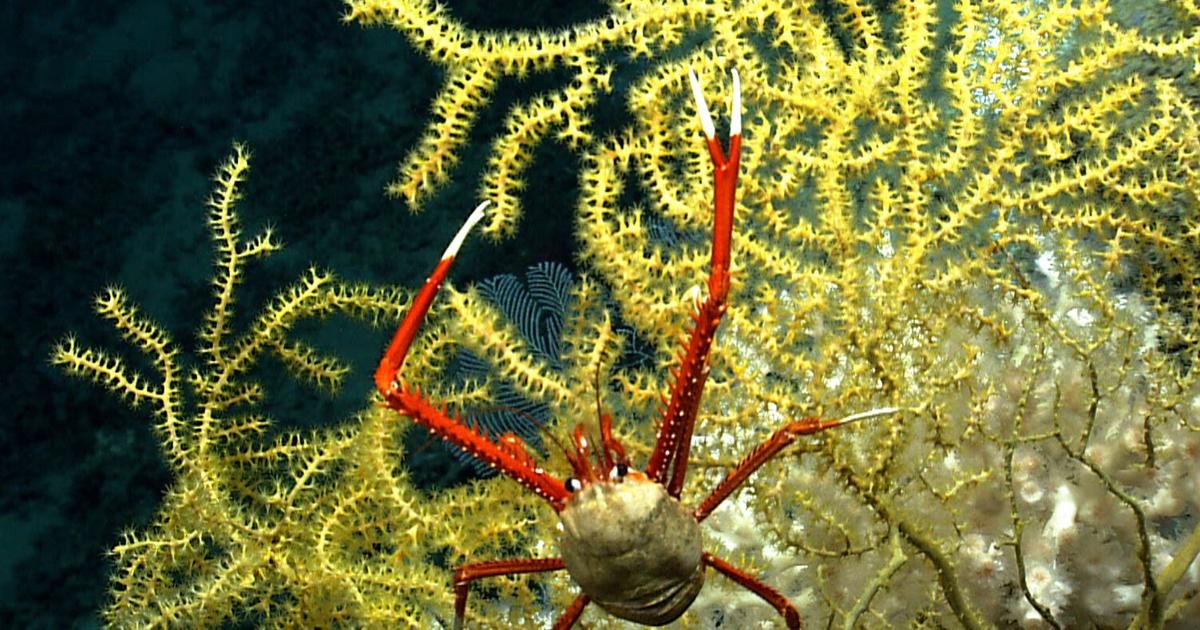
Mesophotic and deep water corals function as cities of the deep sea, generating incredible complex habitats over their centuries long lifespans. Intense impact events, most notably the 2010 Deepwater Horizon oil spill can devastate deep sea corals and the incredible communities they create. In response, deep sea coral restoration initatives have emerged which must overcome the incredible logistical and scientific difficulties inherent to both coral restoration and the deep sea setting. My postdoctoral research at the University of California, Santa Barbara works with the National Center for Environmental Analysis and Synthesis and NOAA as well as a range of other partners to compile and quanitfy the success of novel deep sea coral restoration techniques developed after the Deepwater Horizon spill. Ultimately, this research broadens our understanding of coral reproductive biology, develops a path forward for upscaling deep sea coral restoration and begins the long process of repairing these incredible ecosystems.

Facilitation and Foundation Species Restoration
Existing coastal restoration efforts typically focus on restoring a single primary foundation species, however natural ecosystems are comprised of a mixture of both primary and secondary foundation species. My postdoctoral research at North Carolina State University sought to enhance restoration efforts by investigating and harnessing the facilitation between primary and secondary foundation species. Specifically, this research used observational studies of currently co-existing foundation species, enhancement efforts in pre-existing restoration projects, and novel co-restoration efforts using both primary and secondary foundation species. This research spanned a range of coastal ecosystems including oyster reefs, seagrass beds, and salt marshes to demonstrate how facilitation can improve restoration outcomes like long-term survival as well as biodiversity and climate resilience. Ultimately, this research aimed to enhance our understanding of the complex interactions between foundation species while also informing future restoration efforts.
Mussel Reef Restoration
Mussels provide valuable ecosystem services by filtering our water and generating habitats for other animals. However, overharvesting and land-use changes have decimated mussel reefs across the globe. Restoration is emerging as a key component in the recovery of these vital ecosystems, but reaching high survival with minimal costs is a difficult feat.
My Ph.D. research trialled mussel reef restoration in new locations, developed novel restoration techniques, and investigated underlying mussel biology and ecology to enhance future restoration. Specifically, my research focused in the Marlborough Sounds on New Zealand’s South Island where I used historical data and local ecological knowledge to establish a 97% decline in local wild mussel reefs. Next I demonstrated the feasibility of translocated intertidal mussel restoration in the area while raising concerns about the lack of natural recovery. Finally, I showed the importance of recruitment and early mussel life stages as a barrier to the natural recovery of the area and successfully trialled a new restoraiton technique using early mussel life stages to restore degraded reefs.
